This weeks blog focuses on the differing types of fan engagement.
It can definitely be said Fan engagement has changed over the years, it no longer just means putting bums on seats in a stadium or race track. Teams are needing to engage people inside and outside of the venue, all year round and this comes through differing methods.
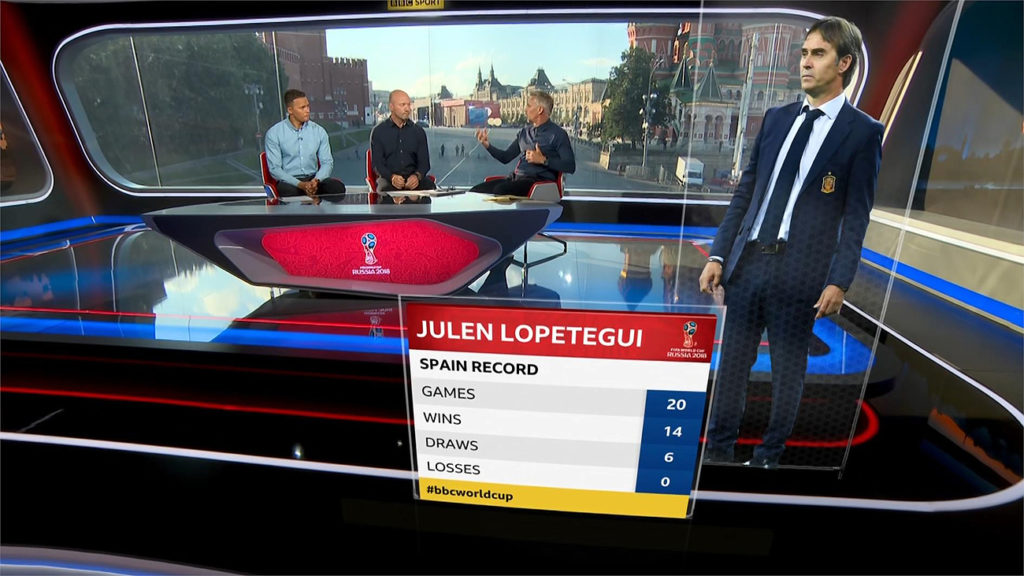
The first method of engaging fans is through television which improves fans access to professional games (Yoshida et al., 2014). In the 1950s the BBC and ITV identified and agreed on ten sporting events which belonged to all and were not exclusive to any one organisation. These ten sporting events included the Olympics, the World Cup, the Commonwealth Games, the FA Cup Final, Wimbledon, Test Match Cricket, The Derby, Grand National and the Boat Race (Oxford Vs. Cambridge).
So where am I getting to with this information. Basically, Sports media has allowed fans to access sporting fixtures they otherwise could not attend. This has meant that fans have been able to follow their team closely and has kept the engagement levels with teams competing in leagues throughout the season. It can be said Sport managers need to recognise the motivations of fans to maximise the level of response and depth of engagement with the team (Stavros et al., 2014: 466). Without fans professional sport is nothing.
It is everyday you see sports organisations and athletes trying to use differing methods as a means of engaging fans. Fan engagement in sport is a specific form of customer engagement. (Yoshida et al., 2014). After some research I have stumbled across a brilliant image which gives 100 ideas to engage fans.
(Hughes, 2019)

Have you ever used your Costa Coffee loyalty card and remember the sense of achievement you felt when you got that free latte? That feeling is the same as the one that your fans get. For me this was the free Edinburgh Rugby t-shirt for purchasing a season pass as well as when buying an lfc18/19 membership a free pen and book about Liverpool. This shows that a small gesture can go a long way! Sporting organisations commercial success has been due to their fan engagement (Stander, Van Zyl, & Motaung, 2016). Fans that are engaged are willing to spend money.

Another way for fan engagement is the use of social media channels to communicate with a fan base. Sports organisations should ideally take consideration of fans personal interests on social media and interact. Tweeting back to fans makes ordinary fans feel recognised and develops the relationship between the fan and the team (Wang & Zhou 2015). A good example of this is Red Bull who constantly update fans and reply back to them on their Instagram pages making the fans feel closer to the brand from a simple reply. It doesn’t take much time and could lead to huge commercial success.

References
- Da Silva, E.C. and Las Casas, A.L. (2017) Sports fans as consumers: An approach to sports marketing. British Journal of Marketing Studies. 5, (4), pp. 36-48.
- Hughes, B. (2019). The F&B
fan experience. [image] Available at:
The F&B Fan Experience: 100+ Ideas and Incentives To Improve The Game Day Fan Experience
[Accessed 11 Apr. 2019]. - Stander, F.W., Van Zyl, L.E. and Motaung, K. (2016) Promoting fan engagement: An exploration of the fundamental motives for sport consumption amongst premier league football spectators. Journal of Psychology in Africa, 26, (4), pp. 309-315.
- Wakefield, K. (2016) Using Fan Passion to Predict Attendance, Media Consumption, and Social Media Behaviors. Journal of Sport Management, 30, pp. 229 -247.
- Wang, Y. and Zhou, S. (2015) How Do Sports Organizations Use Social Media to Build Relationships? A Content Analysis of NBA Clubs’ Twitter Use. International Journal of Sport Communication, 8, pp.133-14
- Yoshida, M., Gordon, B., Nakazawa, M., & Biscaia, R. (2014). Conceptualization and measurement of fan engagement: Empirical evidence from a professional sport context. Journal of Sport Management, 28(4), 399–417. http://dx.doi. org/10.1123/jsm.2013- 0199.
 Angus's Sports Media Blog